A Personal Take on Staying Safe at Home
I still remember the morning my neighbor Margaret took a tumble in her own kitchen. She was reaching for a mug in the upper cabinet, lost her balance, and came down hard on her hip. The sound alone was enough to make me wince. Margaret was lucky, she had a medical alert button around her neck and help arrived quickly, but the whole incident shook her confidence. She stopped walking to the mailbox. She stopped cooking her favorite stew. That one fall changed everything about how she moved through her own home.
Stories like Margaret's are common, and they show why fall risk prevention elderly care matters so much. Falls are not just accidents; they are real events that can reshape a person's life in seconds. The good news is that many falls can be prevented with some practical adjustments and a bit of awareness. This article draws on years of working with older adults and their families to share what I have seen work best.
Understanding the Risks
Falls happen for many reasons. Weak muscles, poor balance, vision changes, and side effects from medications all play a role. Environmental hazards like loose rugs, poor lighting, and clutter add to the problem. The combination of personal and environmental factors makes fall risk prevention elderly a layered challenge that requires more than just one fix.
From what I have observed, the most effective approach starts with an honest assessment of the home itself. I have walked through countless houses with families, and every single one had at least three things that could be improved. It is not about making a home look like a hospital. It is about making it safer while keeping it personal and comfortable.
Simple Home Modifications That Make a Difference
Start in the bathroom. This is where many falls happen because surfaces are slippery and people are often alone. Install grab bars near the toilet and inside the shower. I recommend bars that attach to studs, not just suction cups. A shower chair or a transfer bench can also help, especially on days when energy is low. A handheld shower wand lets a person sit while bathing, which reduces fatigue and the chance of slipping.
Next, look at the floors. Remove any loose rugs or secure them with double-sided tape. Keep pathways clear of cords, shoes, and pet bowls. In the kitchen, store frequently used items at waist level so there is no need to reach high or bend low. A sturdy step stool with a handrail can help for those few items that must go higher, but even better is to reorganize cabinets so the things used daily are easy to reach.
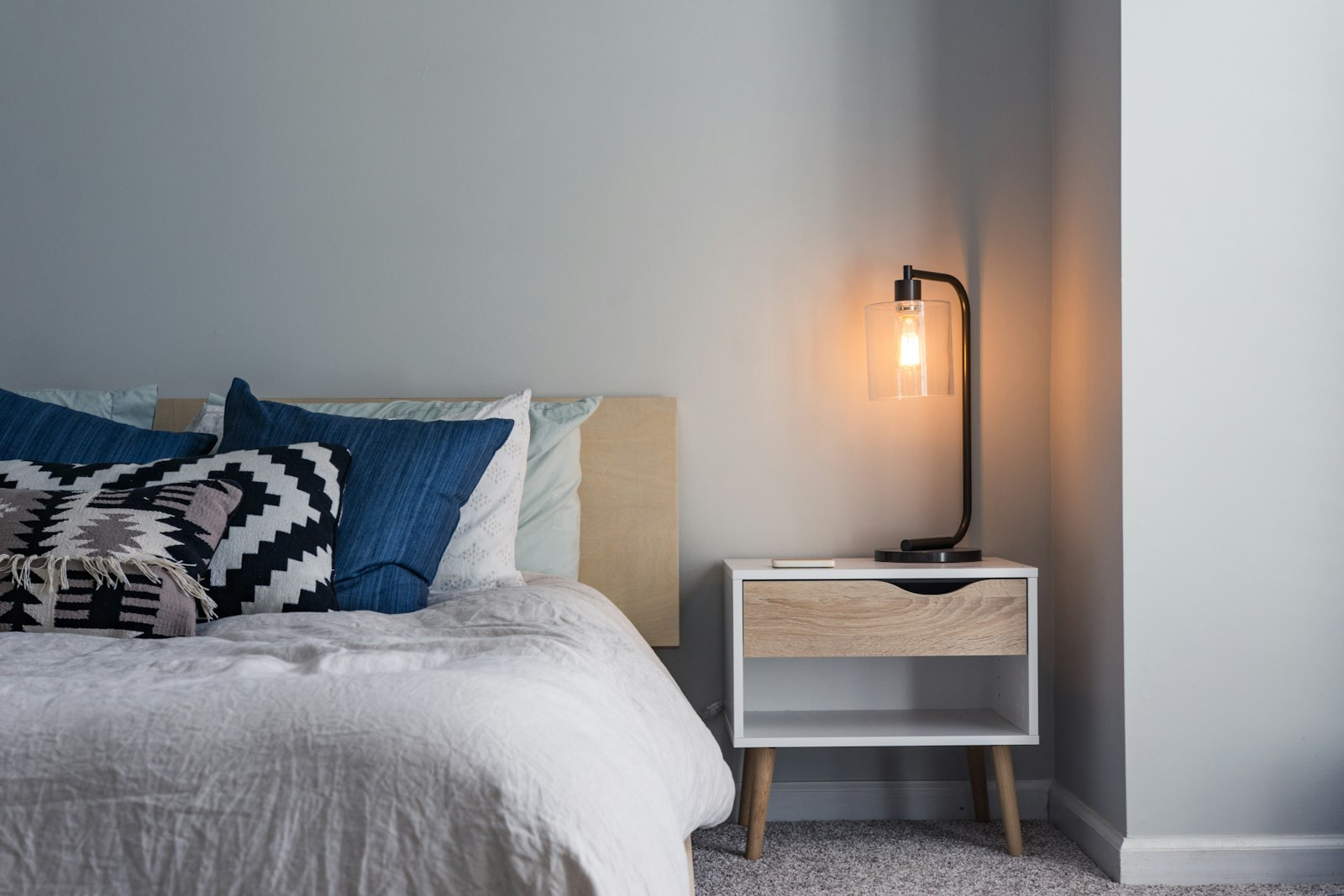
Lighting matters more than most people realize. Nightlights in hallways and bathrooms prevent disorientation in the dark. Motion-sensing lights are especially useful for trips to the bathroom at night. I have seen families install bright LED bulbs in stairwells and put glow-in-the-dark tape on the edge of each step. These small changes add up to a much safer environment.
Strength and Balance: The Body's Best Defense
Physical activity is the single most effective way to reduce fall risk. Strong legs and good balance keep a person steady when they stumble. But the idea of exercise can be intimidating for someone who has not been active in years. That is where gentle, consistent routines come in.
Tai chi is one of the best activities for older adults. It improves balance, flexibility, and muscle strength without putting stress on joints. I have watched people who could barely stand on one foot for a few seconds become able to walk confidently after a few months of practice. Chair yoga and seated strength exercises are also excellent options. Even simple calf raises while holding the kitchen counter can build the lower leg muscles that help prevent falls.
Walking is another key activity. A daily walk around the block or inside a mall keeps the cardiovascular system strong and the legs ready. For those who use a walker or cane, a physical therapist can help fine-tune the fit and technique. I always remind families that walking aids are tools, not crutches. Properly fitted, they give confidence and stability.
Medication and Vision Checks
Some falls happen because of dizziness or blurred vision from medication. A yearly medication review with a doctor or pharmacist can catch drugs that affect balance. Blood pressure medications, sedatives, and some antidepressants can cause lightheadedness, especially when a person stands up quickly. Adjusting the timing or dosage may reduce that risk.
Vision changes are another factor. Cataracts, glaucoma, and even simple age-related farsightedness make it harder to see obstacles. An annual eye exam ensures that glasses prescriptions are current and that conditions are treated early. I have seen people trip over a shadow because their depth perception was off. Clear vision is a simple but powerful part of fall risk prevention elderly care.
Building a Support System
No one should have to manage fall prevention alone. Family members, neighbors, and professional caregivers can all play a role. I have seen families create a simple schedule: a daily phone call to check in, a weekly walk together, and a monthly home safety review. This keeps everyone aware and connected.
Professional services can also help. Occupational therapists specialize in home safety assessments. They can recommend specific changes based on a person's abilities and challenges. Some communities have fall prevention classes through local senior centers or hospitals. These programs teach balance exercises, home modification tips, and how to get up safely after a fall.
For those who live alone, a medical alert system can be a lifesaver. These devices allow a person to call for help with the push of a button. Newer models include fall detection that activates automatically. This technology gives peace of mind to both the older adult and their family.
Connect with us on Facebook.
When Living at Home Becomes Difficult
Even with the best modifications and exercise routine, some older adults reach a point where living alone is no longer safe. The risk of falling may be too high, or the fear of falling may keep them from doing the things they enjoy. This is a hard decision for families, but it does not mean giving up independence. It means finding a new kind of support.
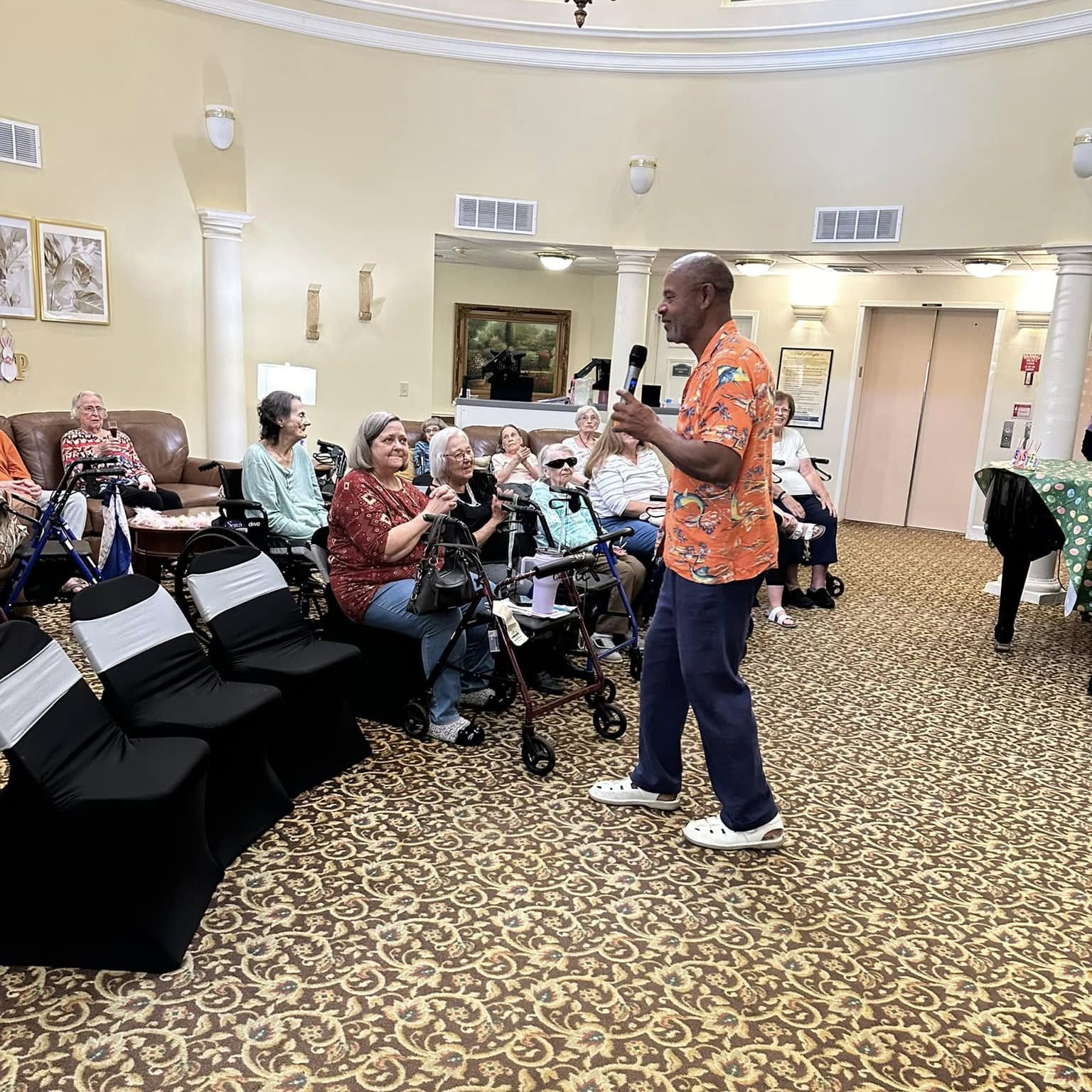
Places like Hibiscus Court in Melbourne, FL offer assisted living, memory care, and respite services with personalized support for seniors and their families. These communities are designed with safety in mind. They have grab bars in bathrooms, wide hallways for walkers, and staff trained in fall prevention. They also provide meals, housekeeping, and social activities that keep residents active and engaged. The goal is to maintain as much independence as possible while reducing risk.
For many families, the move to a senior living community is what finally allows their loved one to feel safe again. The constant worry about a fall fades, and the older adult can focus on living well.
Final Thoughts
Fall risk prevention elderly is not a one-time project. It is an ongoing practice of awareness, adjustment, and support. The homes we live in, the bodies we move in, and the people around us all play a part. I have learned that the best prevention combines practical changes, regular activity, and a strong support network. Every step taken to reduce fall risk is a step toward maintaining independence and quality of life.
Hibiscus Court, located at 540 E Hibiscus Blvd, Melbourne, FL 32901, USA, can be reached at +1 321-361-5997, and offers assisted living, memory care, and respite services with personalized support for seniors and their families.